Regular group

Exploring together the movements of the first year of life

A small live group where we explore how movement organizes itself through the Feldenkrais Method®: gently, attentively, and without pressure. The group studies the functions and movements of the first year of life, helping an adult reorganize the basic patterns on which later actions, habits, and reactions are built.

The method

What is the Feldenkrais Method®?

The Feldenkrais Method® is a somatic learning approach developed by Moshe Feldenkrais. It explores movement, sensation, and habitual patterns through attention - not through effort or repeating a correct shape.

There are two main forms: Awareness Through Movement (ATM) - verbally guided lessons in a group or from recordings - and Functional Integration (FI), one-to-one. In this group we work with ATM: gentle sequences where quality, reversibility, and self-organisation matter more than speed.

This is not fitness or stretching. The aim is freer, more intelligent movement and a finer dialogue between body and nervous system. Different levels of experience are welcome: you can go at your own pace and pause whenever something feels uncomfortable.

What research says

The Feldenkrais Method® has been studied in contexts such as anxiety, low-back pain, balance, mobility, and movement quality.

Below are a few findings, translated from research language into everyday words.

Testimonials

What people notice after the first lessons

For about one and a half years I have been regularly doing Awareness Through Movement lessons with Yuliya. For me, these lessons are a way to explore the connection between brain and body and to recover faster after stress. The lessons gave me practical tools to slow down, ground in the present moment, and deal with anxiety more steadily.

I practiced the Feldenkrais Method® with Yuliya for more than two months, and these were my favorite sessions in the lab format. I could rest deeply and notice new body sensations. Yuliya guides with great care and respect: she always invites you to follow your own sensations and pause at the first sign of discomfort.

Working with Yuliya in movement awareness was an unexpected and meaningful journey. It is not about faster-higher-stronger, but about more awareness and precision. She is warm, attentive, and deeply involved in the method. The lessons feel clear, human, and genuinely supportive.

Want to reflect on how this could fit you? Say hello on Telegram.

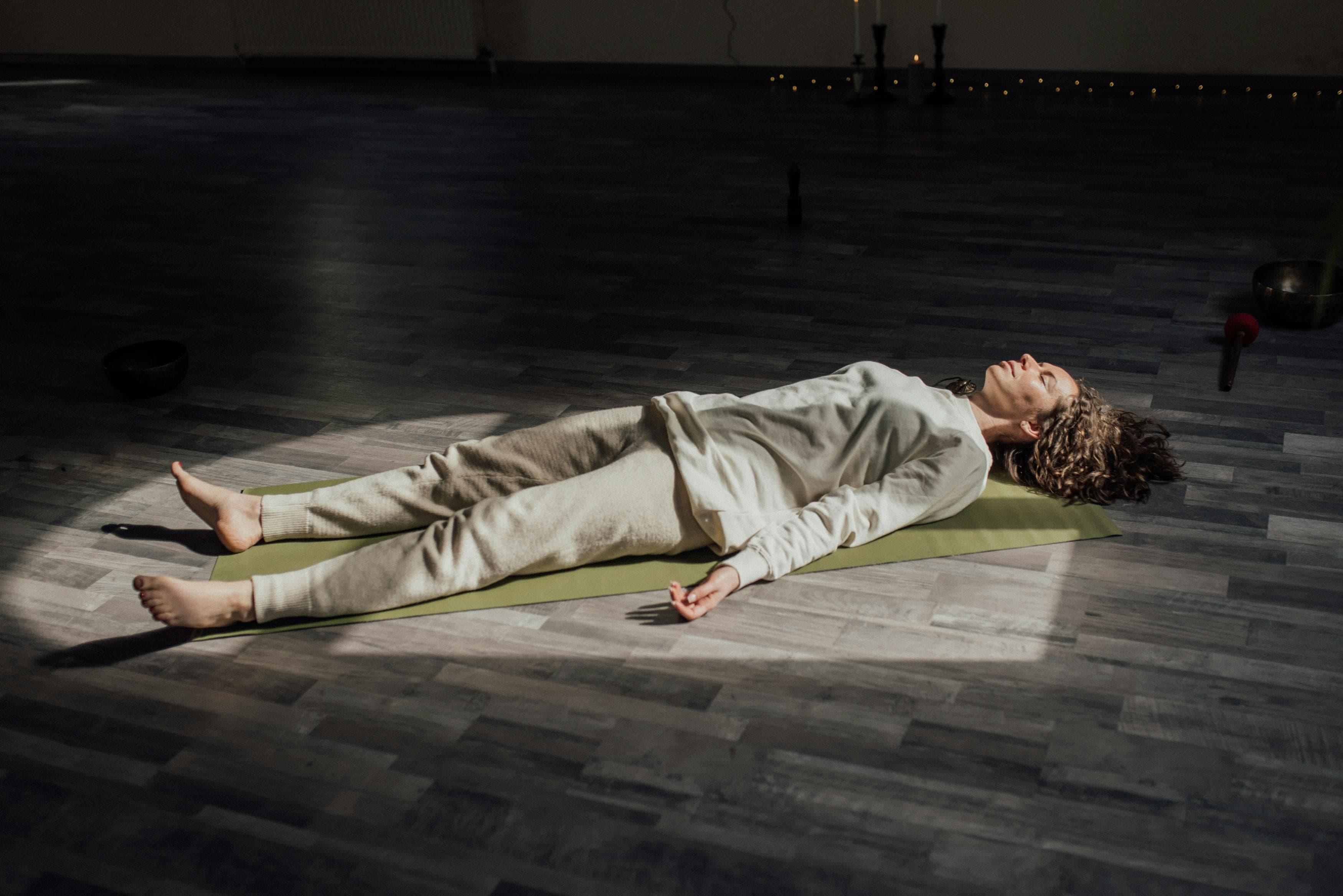
Practice lying on a mat

What this group explores

A live rhythm instead of one more course

We return to the functions that are formed during the first year of life: rolling, pushing, reaching, shifting weight, crawling, standing, orienting, and organizing support. Each meeting explores one of these functions through clear verbal guidance and soft movement. This can reduce unnecessary tension, support emotional steadiness, and bring more clarity, adaptability, and support into everyday life.

How a meeting works

1

Live class

A live Zoom class with voice guidance and soft movement exploration.

2

No pressure

No performance pressure and no correction pressure, only attention, curiosity, and time to feel.

3

Recording stays

If you miss a meeting, the recording stays in the archive.

Archive and lesson library

The lesson library as part of participation

This is not only a live group. Over time it becomes a real library of recorded lessons you can return to between meetings. The recordings give continuity, while the group gives rhythm and human presence. Lessons are grouped by function and movement.

1Breathing
  • Pendulum breathing
  • Breathing exploration
  • Abdominal shortening on the exhale
  • Connecting through breathing
  • Connecting through breathing, part 2
2Sucking and oral organization
  • Relaxing the throat muscles
  • Palate, mouth, and teeth
  • Exploring sucking
  • Aligning the nostrils
3Eyes and orientation in space
  • Movements to the left and right
  • Closing the eyes
  • Pearls
4Spine as a pathway of movement
  • Scanning, five lines
  • Spiral chain
  • Spiral chain, part 2
  • Spiral chain, part 3
5Flexion of the body
  • From the arm to standing
  • Exploring flexion
  • Rocking and rolling
  • Rocking and rolling, part 2
6Head control
  • Rolling between the hands
  • Circles with the head, introduction
  • Elbow to knee
  • Lifting the head and flexing the upper body
7Extension of the body
  • Through the arch on the back
  • Through the arch on the back, part 2
  • Extensors
  • Extensors, part 2
8Arms as lengthening and contact
  • Lengthening and shortening the arms on the back and belly
  • Lifting the pelvis to lengthen the opposite arm
  • Integrating the arms lying on the belly
  • Using the arms
9Arms as manipulation and support
  • Planned
  • Differentiation when rolling onto the left side
  • Circles with the elbow
  • Differentiation of the shoulder blades and rib cage for walking
10Rolling and diagonals
  • From back to side
  • From back to side, part 2
  • Eye movements and transition to sitting
  • Rolling with the whole body
11Sitting as a result of support
  • Planned
  • Planned
  • Planned
  • Planned
12Balance on four points of support
  • Planned
  • Planned
  • Planned
  • Planned
13Crawling
  • Planned
  • Planned
  • Planned
  • Planned
14Standing
  • Planned
  • Planned
  • Planned
  • Planned
15Walking
  • Planned
  • Rolling the foot from heel to toe
  • Planned
  • Planned
16Integration and variability
  • The plane that divides the body
  • Reinforcing the pattern
  • Breathing
  • Planned

Questions about the format or joining? Message me on Telegram.

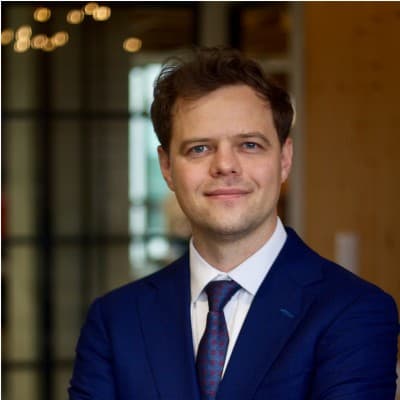
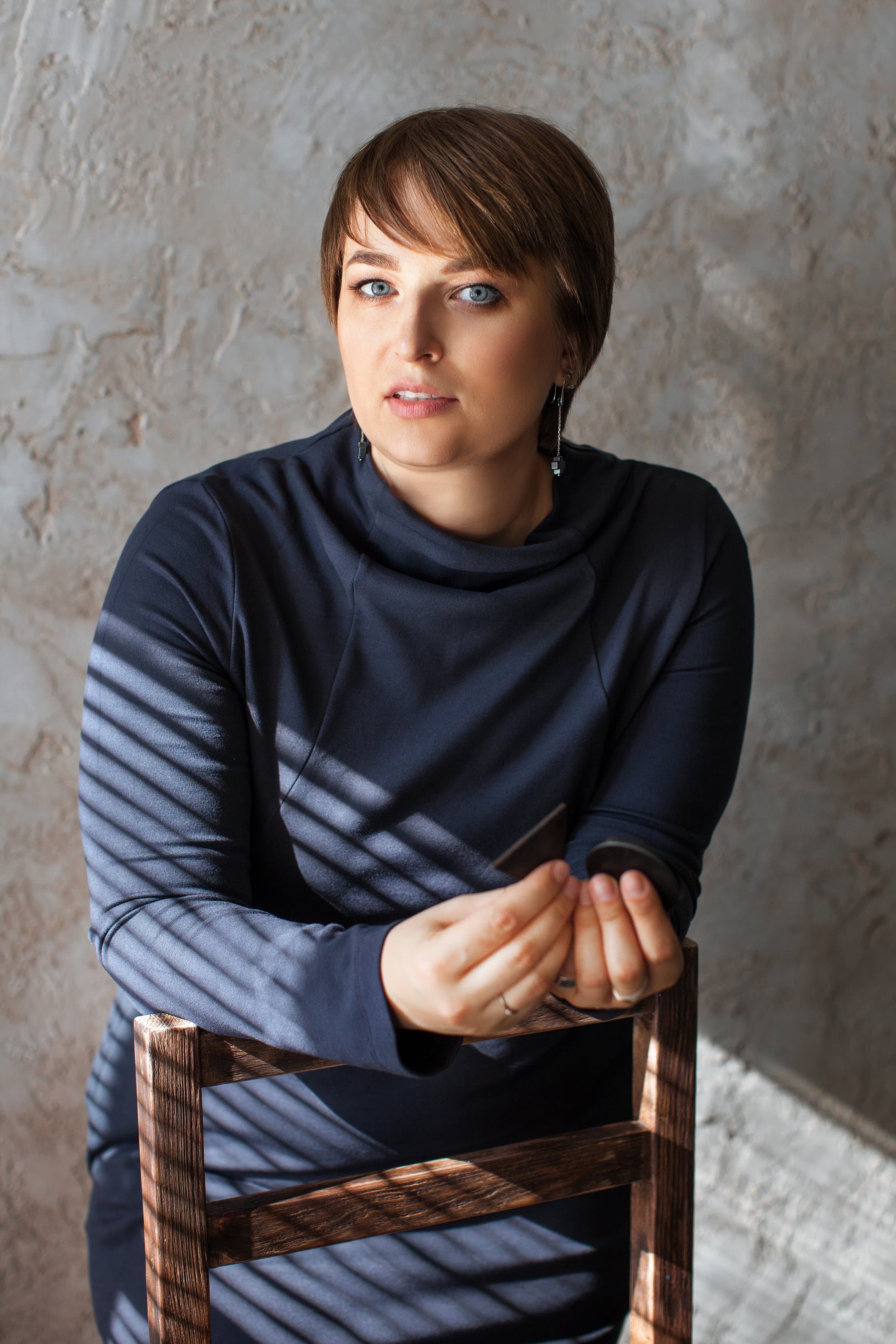
Yuliya Shamrei

Who is leading

Yuliya Shamrei

I am a somatic learning practitioner and Feldenkrais Method® teacher (in training), based in Austria.

Before somatics, I spent almost two decades in IT: business analysis, digital product management, and consulting - from analyst to lead consultant in international companies.

I now train at Feldenkrais Institut Wien on the international program (2023-2027) and since 2025 I am qualified to teach Awareness Through Movement lessons.

Today I combine analytical clarity with somatic attention, helping people recover a sense of stability, clarity, and aliveness - without forcing or pushing.

I create learning environments where we explore through curiosity rather than survival: movement, breath, attention, thinking, habits, and ways of being in the world.

There is no goal to fix or remake you - only the chance to feel how much can reorganize when we learn to listen without judgement, and live a little lighter and happier.

I would be glad to meet you and work together.

More about me and other formats

Questions that usually come up

Frequently asked questions

Do I need experience?

No. The group is suitable both for people who are new to the method and for those who already know the language of attention and slow movement.

What if I miss a class?

The recording stays in the archive, so you can return to it later.

Can I join at any time?

Usually yes, if the group still has space and the format fits your current stage.

What do I need?

A mat or soft surface, Zoom, and one quiet hour.

If this feels like your next step

Let's meet and see whether the format fits

To join, we need a short introduction. I suggest a free 10-15 minute call to meet, answer questions, and see whether we are a good fit. If you want to explore the method first, start with the small Listen to Yourself product - the product page has details. Use the email form at the bottom of the page and I will write you about the group.

Leave your email

I will write about the group and send a trial lesson recording

This keeps your contact in one place. I can reply about the format, open spots, and the next group start.